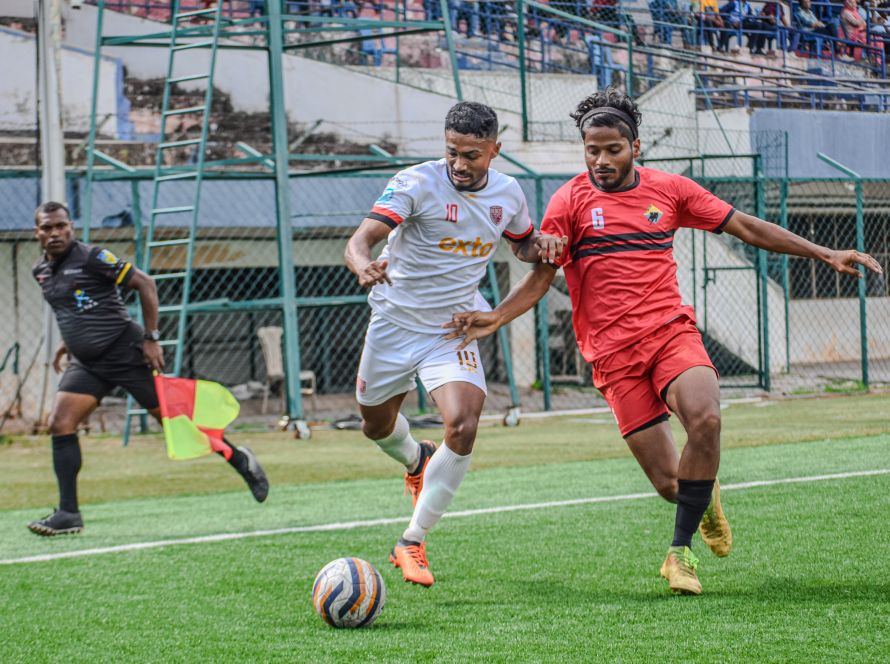
The feeling of stepping onto the pitch, the sound of the whistle, the ball at your feet, it’s where everything else fades and football becomes your world. And here’s something that every serious player deep down knows: remaining injury-free is part of the deal as well.
You work hard, leave everything on the field, and pursue progress daily, but without learning how to avoid football injuries, progress stops in its tracks. From muscle pulls and ankle sprains to more serious setbacks, injuries aren’t a badge of honor; they’re signals to train smarter, not necessarily harder.
This is your game plan. You’ll discover how to train with accuracy, defend your body, and continue developing towards your football aspirations. Because genuine advancement isn’t only achieved by challenging boundaries, it’s achieved by understanding how to challenge them correctly.
Whether you’re pushing your limits independently or under structured football coaching in Bangalore, the right approach ensures steady progress while keeping you safe. Let’s keep you prepared for every game, every test, every moment you’ve prepared for. Here’s how to remain in the game, stronger, safer, and wiser.
Train Smart: The Foundation of Football Injury Prevention
Football injury prevention begins well before kick-off. It begins with how you train. Your routines should be based on developing control, coordination, and strength, particularly in the muscle groups football places most demand on: hamstrings, quads, calves, glutes, and your core.
Whether you’re working on explosive sprints or perfecting your touch, your warm-up should activate, not exhaust these muscles. High-level training doesn’t mean pushing until something snaps. It means giving your body the right fuel and movement to stay agile and resilient.
In academy environments, safe training in football translates to progressive practice, appropriate workload, and the application of sports science to monitor performance without overtraining. Be honest with your coaches about fatigue, tightness, or discomfort. Ignoring signs may cut into game time. Listening to your body makes you a wise player on and off the field.
Strength & Stability: The Secret Weapons For Prevent Football Injuries
Balance, flexibility, and core control rarely receive the emphasis they need, but without them, you won’t stay on top. Your hips and knees take a beating from tackles, jumps, and sudden changes of direction. That’s where damage tends to creep in. Including strength-building exercises such as squats, lunges, calf raises, and glute bridges on your weekly routine can prevent football injuries by enhancing joint stability and minimizing the likelihood of strain or ligament rupture.
Agility ladder drills, single-leg balance, and resistance band exercises make you more in control of movement. It’s not a matter of using heavy weights, it’s about being a tougher athlete.
3 Injury Recovery Tips
You’re not just training your body; you’re also learning how to recover like a professional. Rest days are not lazy days, they’re part of your progress. They allow your muscles to rebuild stronger than before.
Good recovery means good sleep, staying hydrated, getting enough protein, and stretching after sessions. Foam rollers and light mobility drills are powerful tools. Recovery isn’t just about avoiding injuries, it’s about showing up sharper and faster every time.
Injuries do happen. But when they do, your comeback depends on how seriously you take your injury recovery tips:
- Never rush a return to full training.
- Always follow physio guidelines.
- Build back with proper form, not just full speed.
A well-recovered player isn’t just healed. They’re often stronger than before.
Safe Training in Football: Your Academy’s Role Matters
As a student-athlete, you’re constantly growing, physically and mentally. Which means your training has to grow with you. That’s why safe training in football requires the right balance of challenge, care, and professional structure. The finest academies in the nation and throughout the world develop players with modern methods proven to avoid overtraining, to track fitness, and to emphasise injury prevention.
Whether it is on-ground physiotherapists to performance coaches who monitor your progress, the culture of safety at elite football is not taken lightly; it pervades the whole system.
So, when you train in an environment that understands the long game, your football journey is protected by design.
It’s Not a Side Quest, It’s Part of Becoming Elite
What sets great footballers apart? It’s not just their vision, speed, or technique. It’s their ability to stay available, match after match, season after season. That kind of consistency only comes when injury prevention becomes second nature. Football injury prevention is not a checklist. It is a mindset. It is turning up every day not only to play harder-but to play longer.
It is about showing reverence to the art of recovery, having faith in your education. And the notion that resilience is not about something that is born instantly, but it is something that is created through the discipline of day-to-day life.
Injury Prevention Is a Way of Life
Injury prevention at Rebels Football Club’s Residential Football Academy is not just a theory, but a culture that is entrenched in all our procedures as we train, recover, and develop our football players. Our highly qualified coaching team utilises advanced sports science, individual assessments, and an eye on sustainable improvement to make certain all of our players grow to be strong and tough with all safety and effectiveness.
At Rebels FC Bangalore, every training plan is designed with long-term athlete development in mind, ensuring that players don’t just perform well today but continue to grow season after season.
From strength-building routines to recovery sessions and corrective exercises, our environment teaches players how to move efficiently, avoid unnecessary strain, and build habits that protect them throughout their football journey. This holistic approach strengthens both performance and durability, helping young athletes stay match-ready all year round.
Here, you will be informed on how to respect and take care of your body as you would do to your talents on the pitch. The aim is not only to develop competitiveness, but to create consistency over time.
By the time you are ready to take your game to the next level, you are going to be physically and mentally ready to handle whatever comes at you.